The Quiet Revolution on Your Head
She slips it on like a favorite scarf — thirty seconds, a gentle adjustment at the temples, and the transformation is complete. No salon appointment, no chemical processing, no growing-out phase. Just immediate, effortless change. This is the new reality of wigs: not a disguise, not a last resort, but a deliberate style choice as versatile as a handbag or a pair of shoes.
For generations, wigs carried stigma. They were theatrical, medical, or something you hid. Today, they occupy the same creative space as bold lipstick or statement jewelry — tools for self-expression that happen to sit on your head. Women wear them to protect natural hair, to experiment without commitment, to reclaim confidence after illness, or simply because Tuesday called for platinum bob energy.
This guide walks through everything the modern woman needs to know: how wigs are built, which materials suit which lives, how to choose and wear them with ease, and why this ancient accessory has never felt more contemporary.
One: Anatomy of a Modern Wig
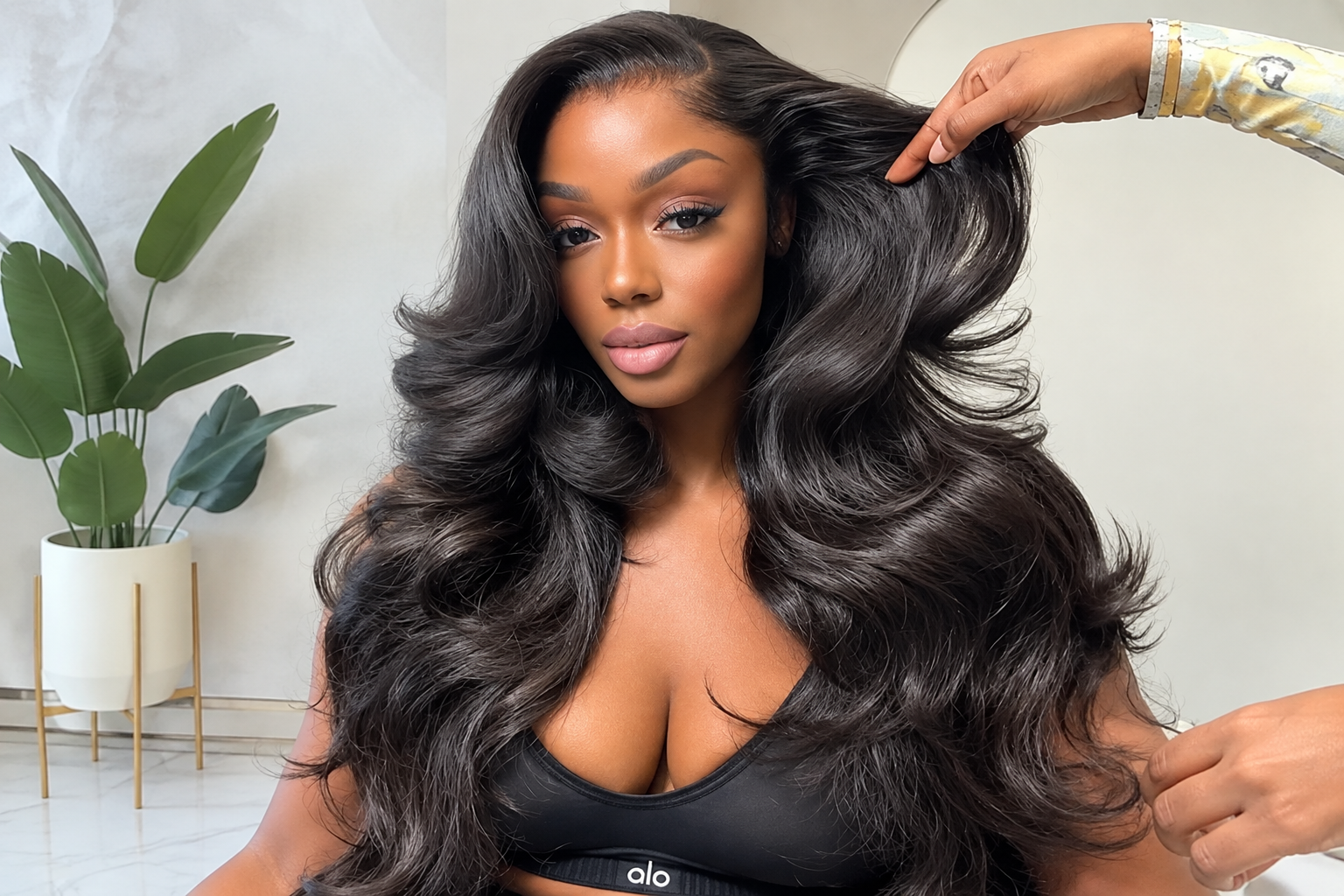
Peek beneath the hair and you’ll find engineering that rivals high-performance sportswear. The cap — that lightweight, breathable “skullcap” — is where comfort lives. Premium versions use sheer lace or monofilament that mimics scalp skin so convincingly that parted hair looks like it’s growing directly from your head. The hairline? A feather-fine lace front that disappears against your forehead, letting you slick hair back without a telltale edge.
Inside, adjustable straps and soft silicone grips customize the fit to your exact head shape. Some caps feature ear tabs that tuck naturally, others have nape adjustments for ponytail clearance. The density — how many hairs per square inch — determines whether you get airy movement or bombshell volume. Every element is calibrated: not too heavy, not too hot, not too tight. You forget you’re wearing it within minutes.

Two: Cap Constructions Decoded
Not all caps are created equal. A basic wefted cap sews hair in rows onto stretch mesh — affordable, durable, but with limited parting options. Step up to a monofilament top and each hair is hand-tied to a transparent mesh, letting you move the part anywhere, style off the face, and achieve scalp-level realism. The gold standard: full lace or 360° lace, where the entire cap is sheer enough for high ponytails, updos, and any parting your heart desires.
For daily wear, many women settle happily in the middle: a lace front for the hairline, monofilament at the crown for parting flexibility, and wefted back for structure and value. It’s the sweet spot of realism, comfort, and price. Understanding these tiers means you pay for what you actually need — not marketing fluff.
Three: Human Hair — The Chameleon
Run your fingers through human hair and the difference is immediate: cool, silky, responsive. It moves like your own hair because it is hair — ethically sourced, meticulously processed, cuticle-aligned. You can curl it, straighten it, color it (within reason), and sleep in it. A well-made human hair wig lasts a year or more with daily wear, developing a patina of character like a leather jacket.
The trade-offs: it reacts to humidity, needs washing every 7–10 wears, and commands a premium price. European hair — finer, silkier — sits at the top; Asian hair — thicker, stronger — offers durability at a lower tier. For the woman who wants one wig to do everything, human hair is the ultimate investment piece.
Four: Synthetic — The Ready-to-Wear Hero
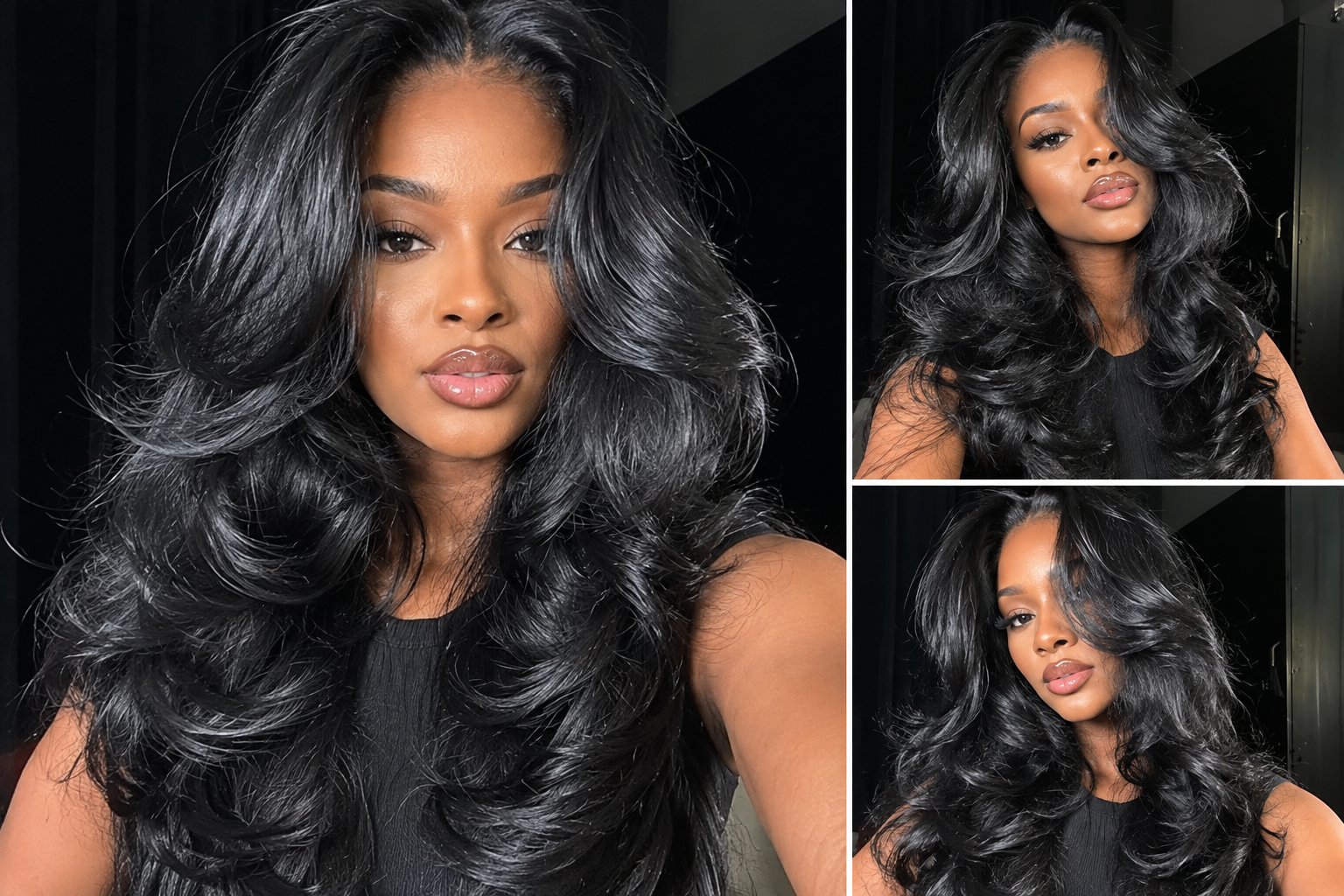
Modern synthetic fiber — primarily heat-friendly Kanekalon — has quietly mastered the art of illusion. Out of the box, the style is set: wash, shake, wear. No styling tools, no learning curve, no morning fuss. Rain won’t frizz it; humidity won’t swell it. A quality synthetic wig holds its shape through wind, workout, and weekend getaway.
The caveat: standard synthetic can’t take heat (unless labeled heat-resistant), lasts 4–6 months with daily wear, and has a slight shine that reads “styled” rather than “grown.” But for the woman who wants three distinct looks — sleek bob, beachy waves, chic pixie — for the price of one human hair piece, synthetic wins on versatility per dollar.
Five: Blends — The Best of Both Worlds
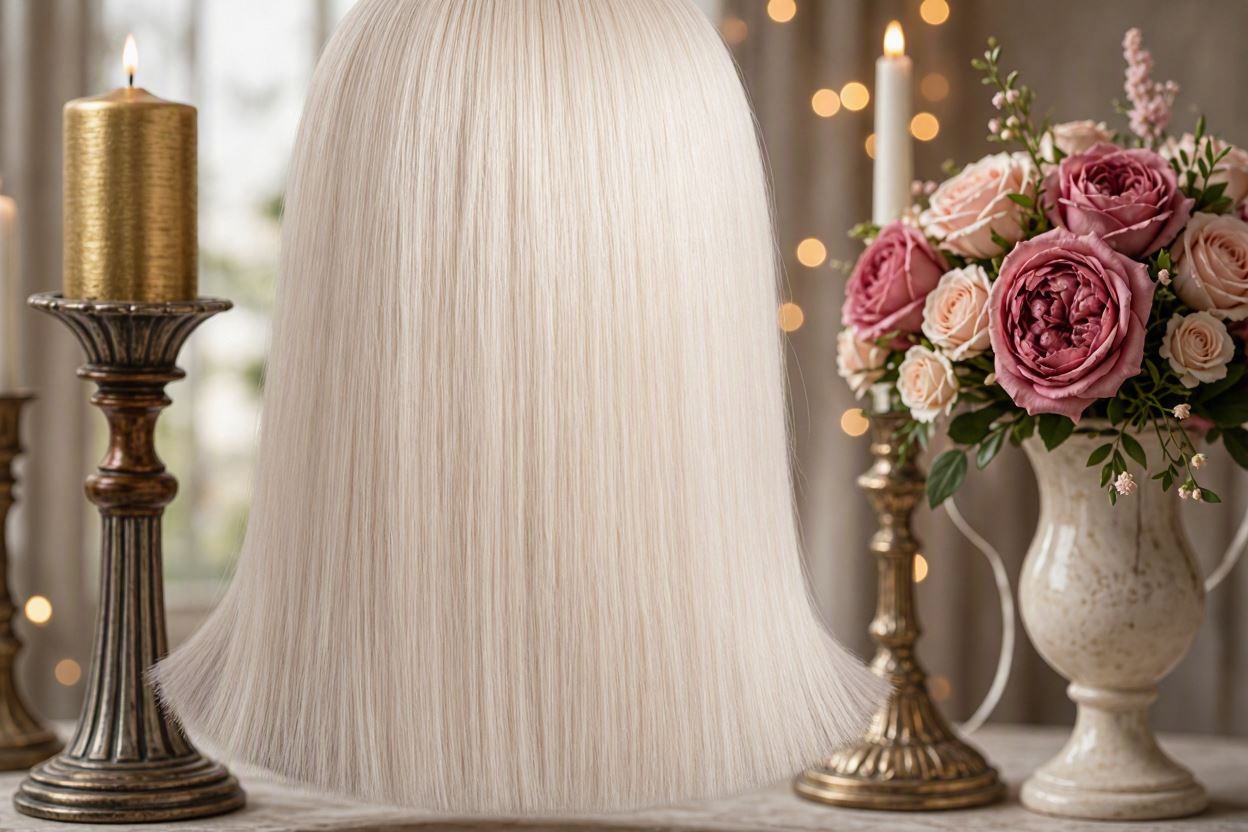
Enter the hybrid: 25–35% human hair mixed with premium synthetic. The human hair softens the texture and adds natural movement at the crown and hairline; the synthetic core holds the style, resists frizz, and keeps the price accessible. You get heat styling on the top layers, wash-and-go convenience underneath, and a lifespan that splits the difference.
Blends shine for women transitioning into wigs — they’re forgiving, realistic enough for close conversation, and budget-friendly enough to try multiple colors. Think of them as the “smart casual” of the wig world: polished but not precious.
Six: Finding Your Fit — Size, Shape, Security
A wig that fits disappears. One that doesn’t announces itself with every head turn. Measure your circumference at the hairline, over the ears, around the nape — most women fall between 21.5 and 22.5 inches (54–57 cm). Adjustable straps fine-tune by half an inch; velvet or silicone grips add friction without glue.
For total security — windy days, dance floors, yoga inversions — wig tape, adhesive strips, or a silicone grip band create invisible anchor points. The key: test the fit before styling. Wear it for twenty minutes. Bend, stretch, shake your head. If it stays put and feels like a second skin, you’ve found your size.
Seven: Color Strategy — From Safe to Statement
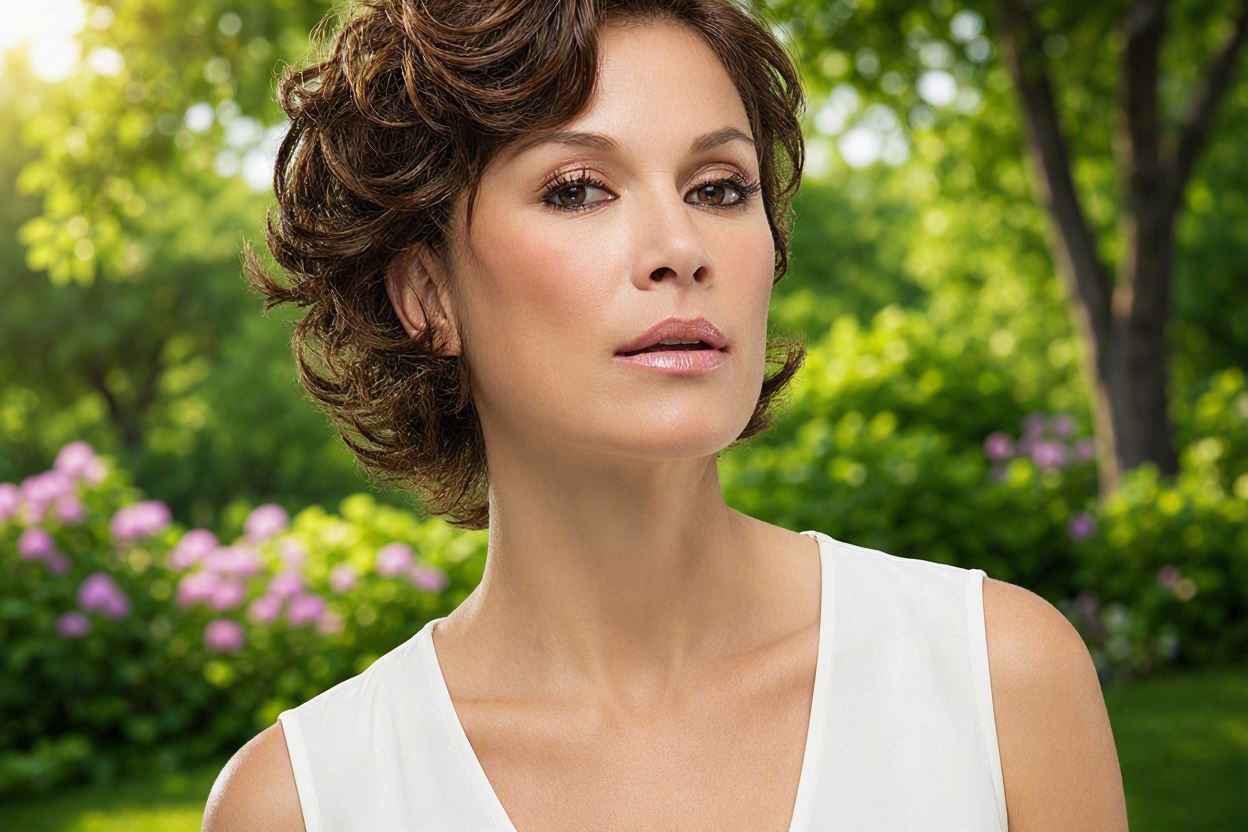
Your first wig doesn’t have to match your birth color. In fact, the most satisfying purchases often don’t. A shade lighter brightens the complexion; a shade deeper adds drama. Warm tones (golden blonde, copper, caramel) warm cool skin; cool tones (ash, platinum, espresso) balance warmth.
For the wig-curious: start within two levels of your natural depth. For the adventurous: try the color you’d never commit to in a salon — rose gold, jet black, honey blonde — knowing Tuesday you can be someone else. Many women build a “wardrobe”: a neutral daily driver, a bold weekend piece, a special-occasion stunner. At a fraction of salon color cost, why choose one?
Eight: Styling as Self-Expression
Human hair wigs invite curling wands, flat irons, braiding, updos — treat them like your own hair with a heat protectant. Synthetic wigs (non-heat-friendly) come pre-styled; a wide-tooth comb and light mist of wig spray refresh the shape. Heat-friendly synthetics? Low heat only, always test a hidden strand first.
The game-changer: wig stands and mannequin heads. Style off your head, perfect the shape, then slip it on finished. Morning routine becomes: adjust, shake, go. Accessorize with headbands, scarves, claw clips — the wig becomes a canvas, not a constraint.

Nine: Seasonal Wisdom — Weather, Wear, Wardrobe
Summer demands breathability: lace caps, lower density, synthetic fibers that don’t absorb sweat. Winter welcomes heavier human hair for warmth and richness under wool coats. Transitional seasons? The blend wig — light enough for April rain, substantial enough for October wind.
Hat compatibility matters. A thin, flexible cap slides under a beanie or fedora without bulk. High-density wigs fight hat hair; lower density hugs the scalp. Travel tip: pack wigs on a collapsible stand inside a silk pillowcase — they arrive ready to wear, no steamer needed.
Ten: Care Rituals That Extend Life
Human hair: sulfate-free shampoo, cool water, conditioner mid-shaft to ends, air dry on a stand. Synthetic: specialized wig shampoo, cold soak, no rubbing, shake and drip dry. Both benefit from a leave-in conditioner spray between washes and a wide-tooth comb starting at the ends.
Storage is half the battle: a wig stand maintains cap shape; a silk bag prevents tangling and dust. Never store damp. Rotate between two wigs if daily — fibers recover overnight. A well-cared synthetic lasts six months; human hair, eighteen. The ritual takes five minutes. The return is months of confidence.
Eleven: The Emotional Architecture of Hair
Hair carries identity. Losing it — to alopecia, chemo, stress, age — can feel like losing a piece of yourself. A wig doesn’t “fix” that grief, but it creates space to navigate it on your terms. You choose when to reveal, when to protect, when to play. The woman facing treatment who picks a wig before her first session isn’t hiding — she’s preparing. The woman with thinning crown who adds a topper isn’t covering up — she’s curating.
And for the woman with a full head of hair who wears a wig to brunch? She’s exercising the same creative freedom as the one who swaps sneakers for heels. Hair is the only accessory you never have to take off — unless you want to.
Twelve: Building Your Wig Wardrobe
Start with one: a high-quality blend or entry-level human hair in a versatile neutral — chocolate brown, warm blonde, soft black. Learn the rhythm: wash day, style day, wear days. Feel the confidence of a perfect hair day, every day.
Then expand: a synthetic bob for summer Fridays, a long layered piece for date nights, a colorful unit for festival season. Each wig teaches you something about your preferences — density, cap type, color temperature, maintenance tolerance. Before long, you’re not “a woman who wears wigs.” You’re a woman who styles with wigs. The hair is just another tool in the kit — and you’re the one holding it.
The best wig isn’t the most expensive, the most realistic, or the most reviewed. It’s the one that makes you feel like yourself — or the version of yourself you want to meet today. That’s not vanity. That’s agency.