The Overlooked Essential: Why Vitamin K Deserves Center Stage
In the pantheon of essential nutrients, vitamin K often plays the quiet supporting role — recognized for blood clotting but rarely celebrated for its far-reaching influence on cardiovascular health, skeletal strength, and even cognitive longevity. Yet this fat-soluble vitamin, discovered in 1929 by Danish scientist Henrik Dam studying cholesterol-deprived chicks, orchestrates a symphony of biological processes that modern science is only beginning to fully appreciate.
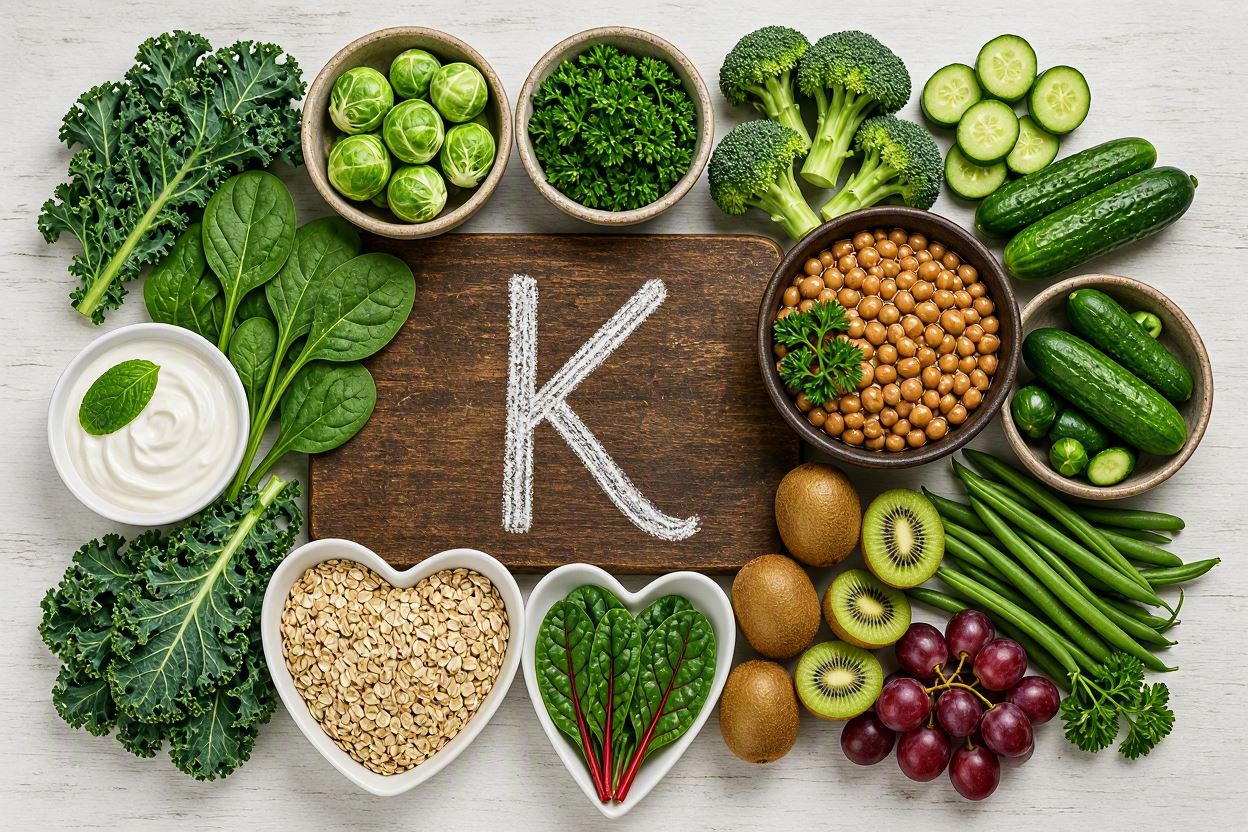
The “K” comes from the German Koagulation — coagulation — hinting at its historic claim to fame. But vitamin K is actually a family of compounds: K1 (phylloquinone) from leafy greens, and K2 (menaquinone) from fermented foods, animal products, and the microbial alchemy of your own gut microbiome. They share a core structure but differ in side chains, bioavailability, and tissue distribution — nuances that shape their unique contributions to human health.
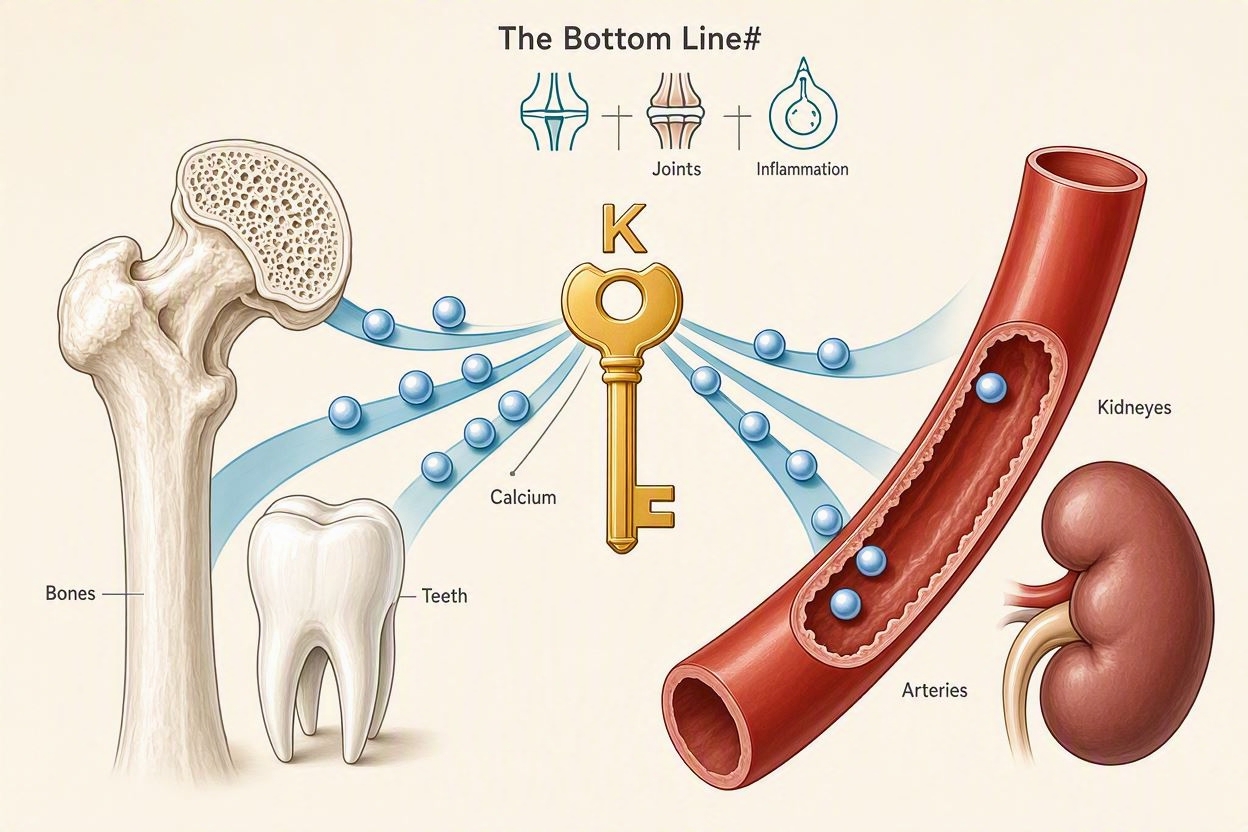
What makes vitamin K extraordinary is its role as a calcium traffic controller. It activates proteins that usher calcium into bones and teeth while simultaneously preventing its deposition in arteries, kidneys, and soft tissues. This dual action — building where needed, blocking where harmful — positions vitamin K at the intersection of osteoporosis prevention and cardiovascular protection.
Let’s explore the twelve science-backed benefits that make vitamin K indispensable, along with practical guidance on optimizing your intake.
1. Blood Clotting and Coagulation Mastery
The foundational role of vitamin K — and the one that earned it its name — is the synthesis of clotting factors in the liver. Specifically, vitamin K acts as a cofactor for the enzyme γ-glutamyl carboxylase, which modifies glutamic acid residues on precursor proteins, enabling them to bind calcium ions. This calcium-binding capacity is what allows clotting factors II (prothrombin), VII, IX, and X to assemble on phospholipid membranes and initiate the coagulation cascade.
Without adequate vitamin K, these factors remain under-carboxylated and functionally impaired — a state measured clinically as elevated undercarboxylated prothrombin (PIVKA-II). The result is a bleeding diathesis: easy bruising, nosebleeds, bleeding gums, prolonged wound bleeding, and in severe cases, spontaneous internal hemorrhage.
This mechanism also explains the clinical interaction with warfarin and other vitamin K antagonist anticoagulants. These drugs work by inhibiting vitamin K epoxide reductase, blocking the recycling of vitamin K and deliberately inducing a controlled deficiency state. Patients on such therapy require consistent vitamin K intake — not avoidance — to maintain stable anticoagulation.
2. Cardiovascular Protection: Preventing Arterial Calcification
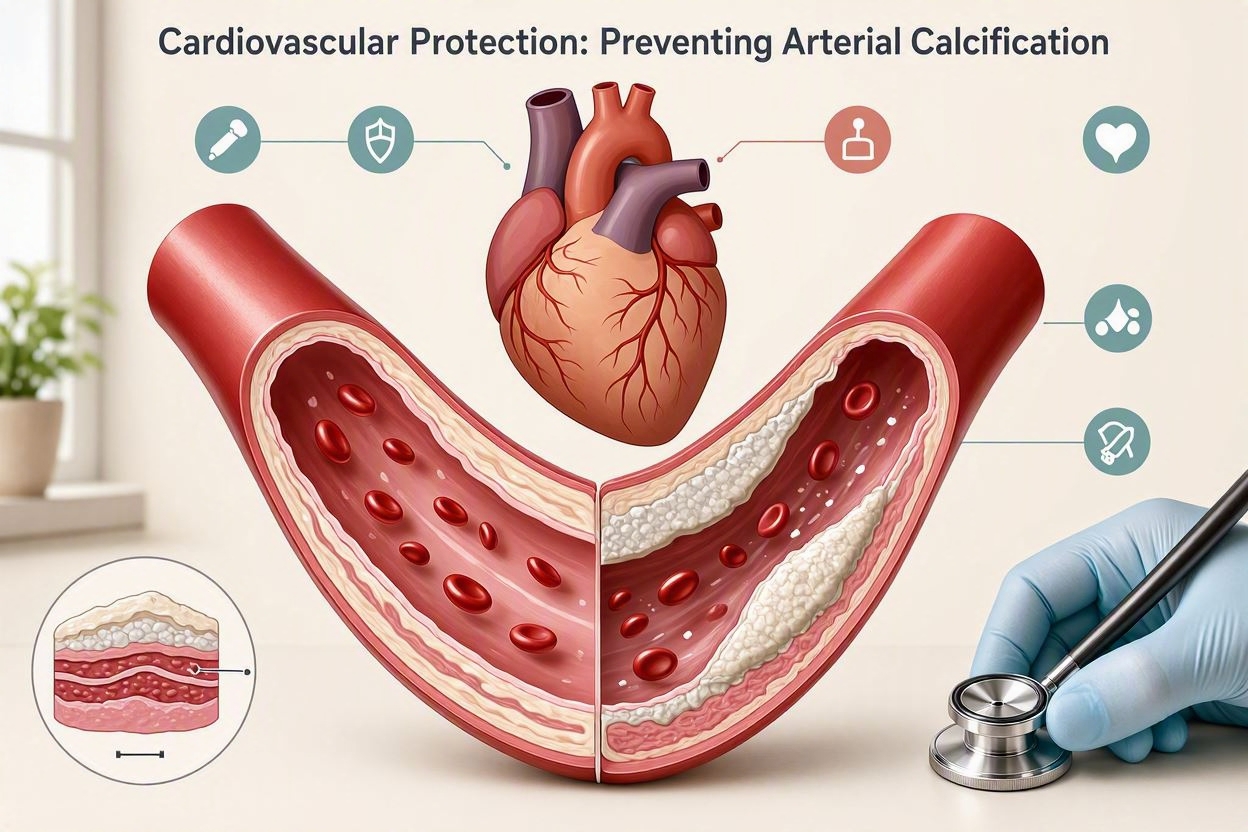
Perhaps the most compelling modern revelation about vitamin K is its role in preventing vascular calcification. Arteries are not meant to calcify — that’s the job of bones. Yet with age, chronic kidney disease, diabetes, and inflammation, calcium hydroxyapatite deposits in the intimal and medial layers of arteries, stiffening vessels and accelerating atherosclerosis.
Vitamin K activates matrix Gla protein (MGP), a potent calcification inhibitor produced by vascular smooth muscle cells. MGP binds calcium crystals and prevents their growth, but only in its vitamin K-carboxylated form. In its inactive (undercarboxylated) state, MGP cannot perform this protective function.
Population studies are striking: the Rotterdam Study found that high dietary K2 intake correlated with a 57% lower risk of coronary calcification and 57% lower cardiovascular mortality over 7–10 years. In a prospective cohort of 16,057 women, each 10 mcg/day increase in K2 intake associated with a 9% reduction in coronary heart disease risk. The evidence positions vitamin K2 as a unique nutrient that doesn’t just slow atherosclerosis — it actively inhibits the calcification process that drives it.
3. Bone Mineralization and Osteoporosis Prevention
Bones are dynamic organs, constantly remodeling through the coupled activity of osteoclasts (resorption) and osteoblasts (formation). Vitamin K is essential for the osteoblast side of this equation — it carboxylates osteocalcin, the most abundant non-collagenous protein in bone matrix. Carboxylated osteocalcin binds hydroxyapatite crystals, anchoring calcium within the bone’s organic scaffold.
Without vitamin K, osteocalcin remains undercarboxylated and cannot effectively bind mineral. The result: bone matrix is produced but inadequately mineralized — a condition distinct from low bone mass but equally detrimental to fracture resistance.
Clinical trials support this mechanism. Meta-analyses of Japanese studies (where K2 as MK-4 is used pharmacologically at 45 mg/day) show reduced vertebral and non-vertebral fracture rates. Lower-dose nutritional studies using MK-7 (180–360 mcg/day) demonstrate improved bone mineral density and reduced undercarboxylated osteocalcin over 3 years.
Vitamin K doesn’t replace calcium or vitamin D — it completes their work. D3 increases calcium absorption; K2 directs that calcium into bone rather than arteries. This synergy makes the K2+D3 combination a cornerstone of modern bone health strategies.
4. Synergy with Vitamin D and Calcium
The vitamin K–vitamin D–calcium triad represents one of nutrition’s most elegant partnerships. Vitamin D upregulates the expression of vitamin K-dependent proteins (osteocalcin, MGP) — essentially creating more “workers” that need vitamin K to become functional. Meanwhile, vitamin D enhances intestinal calcium absorption, flooding the system with the very mineral that vitamin K must direct.
Without sufficient vitamin K, this D-driven calcium surge can exacerbate soft tissue calcification. Animal models demonstrate that high-dose vitamin D alone accelerates arterial calcification, while co-administration of vitamin K prevents it. Human data echoes this: postmenopausal women supplementing with D3+K2 show superior bone outcomes and lower vascular calcification progression compared to D3 alone.
The practical implication: anyone supplementing with vitamin D (especially at higher doses) should ensure adequate K2 intake. This isn’t theoretical — it’s a biochemical requirement for the safe utilization of vitamin D’s benefits.
5. Cognitive Function and Neuroprotection
The brain is rich in vitamin K-dependent proteins, particularly Gas6 (growth arrest-specific 6) and Protein S, which regulate cell survival, myelination, and neuroinflammation. Gas6 signaling through its receptor Axl promotes neuronal survival, synaptic plasticity, and remyelination — processes critical for learning, memory, and recovery from injury.
Emerging epidemiological data links higher vitamin K status with better cognitive performance in older adults. The CLIP study found that higher dietary phylloquinone intake associated with better verbal episodic memory. A 2022 cross-sectional study in older adults linked higher serum phylloquinone to superior cognitive scores across multiple domains.
Mechanistically, vitamin K’s role in sphingolipid metabolism (key components of myelin and neuronal membranes) and its anti-inflammatory action in the CNS provide plausible pathways. While human intervention trials are limited, the biological plausibility is strong enough that vitamin K is increasingly considered a nutrient of interest for cognitive aging.
6. Insulin Sensitivity and Metabolic Health
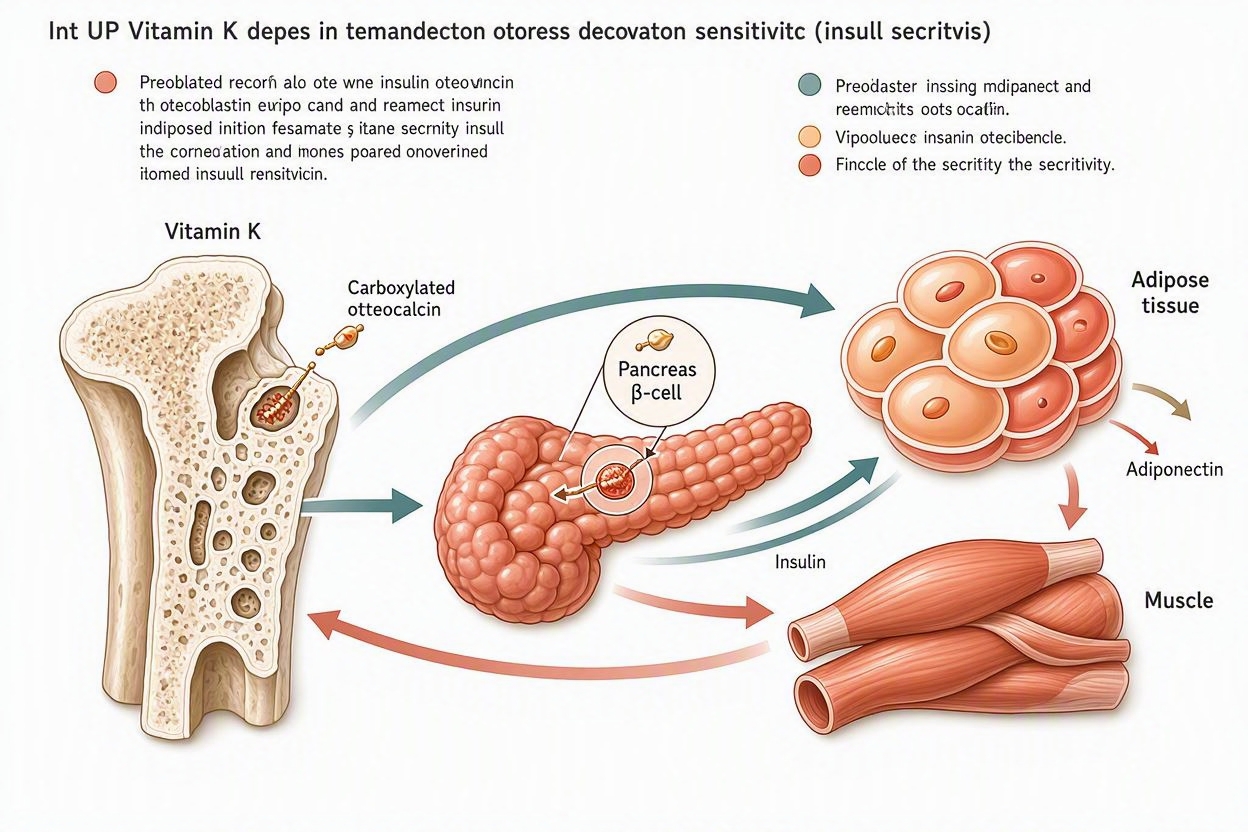
Vitamin K’s metabolic reach extends to glucose homeostasis. Osteocalcin, once carboxylated and released from bone, functions as a hormone — it stimulates insulin secretion from pancreatic β-cells, enhances insulin sensitivity in adipose tissue and muscle, and promotes adiponectin secretion (an insulin-sensitizing adipokine).
Animal studies demonstrate that osteocalcin-deficient mice develop glucose intolerance and insulin resistance, while osteocalcin administration reverses these defects. Human observational data corroborates: higher vitamin K intake and status associate with better insulin sensitivity, lower HOMA-IR, and reduced type 2 diabetes incidence.
A 2016 meta-analysis found that each 100 mcg/day increase in vitamin K1 intake associated with a 17% lower risk of type 2 diabetes. For K2, the PREDIMED trial sub-analysis showed that higher baseline K2 intake predicted lower diabetes risk over 5 years in high-cardiovascular-risk adults.
This bone-pancreas axis — mediated by vitamin K-dependent osteocalcin — reveals vitamin K as an unexpected player in metabolic health.
7. Cancer Risk Reduction
While not a cancer treatment, vitamin K — particularly K2 (menaquinones) — demonstrates intriguing anti-neoplastic properties in preclinical and epidemiological research. Mechanisms include:
- Cell cycle arrest and apoptosis induction via Gas6/Axl and other pathways
- Inhibition of angiogenesis (new blood vessel formation in tumors)
- Anti-inflammatory effects through NF-κB suppression
- Mitochondrial modulation promoting oxidative stress in cancer cells
The clinical signal is most consistent for hepatocellular carcinoma (HCC). Two Japanese trials found that MK-4 (45 mg/day) significantly reduced HCC recurrence after curative treatment and improved survival. An observational study of 11,000 men linked higher K2 intake to a 63% lower risk of advanced prostate cancer.
Other cancers showing inverse associations with K2 in observational data include lung, bladder, and bile duct cancers. While randomized controlled trials are needed for definitive conclusions, the safety profile of nutritional K2 doses makes it a reasonable consideration in comprehensive cancer prevention strategies.
8. Dental Health and Dentin Formation
Teeth, like bones, are mineralized tissues dependent on calcium-phosphate deposition. Osteocalcin — activated by vitamin K2 — is expressed in odontoblasts, the cells that produce dentin (the calcified tissue beneath enamel). Dentin formation continues throughout life as a reparative response to wear, decay, and trauma.
Vitamins A and D also participate in this process: D upregulates osteocalcin expression; A supports epithelial differentiation in ameloblasts (enamel-forming cells). But K2 provides the carboxylation that makes osteocalcin functional in dentin mineralization.
While direct human trials on dental outcomes are limited, the mechanistic pathway is well-established: K2 → carboxylated osteocalcin → dentin matrix mineralization → stronger, more decay-resistant teeth. This adds dental health to the growing list of vitamin K2’s mineralization-dependent benefits.
9. Kidney Stone Prevention and Renal Protection
The kidney is a major site of pathological calcification. Nephrocalcinosis and calcium oxalate stones involve ectopic mineral deposition in renal tubules and parenchyma — processes that vitamin K-dependent MGP normally inhibits.
MGP is highly expressed in the kidney, where it prevents hydroxyapatite crystal growth in the tubular lumen. Vitamin K deficiency leads to undercarboxylated MGP, reducing this protective capacity. Observational studies link low vitamin K status to higher kidney stone prevalence and faster chronic kidney disease progression.
In patients with chronic kidney disease (CKD), vitamin K deficiency is nearly universal due to dietary restrictions (low-potassium greens), antibiotic use (disrupting gut K2 synthesis), and uremia-related metabolic alterations. Small trials of K2 supplementation in CKD show reduced vascular calcification progression and improved bone markers — a dual benefit for a population at extreme risk for both.
10. Anti-Inflammatory and Immune Modulation
Vitamin K exerts anti-inflammatory effects through multiple pathways. It inhibits NF-κB signaling — the master regulator of pro-inflammatory cytokine production. It suppresses IL-6, TNF-α, and CRP in cell and animal models. Human observational data consistently links higher vitamin K status with lower inflammatory markers.
This immunomodulatory role connects to vitamin K’s function in regulatory T-cell biology and its presence in lymphoid tissues. The carboxylation-dependent protein S (another vitamin K-dependent protein) also has immunomodulatory functions, promoting apoptotic cell clearance and preventing autoimmune reactions.
For conditions driven by chronic low-grade inflammation — atherosclerosis, osteoarthritis, metabolic syndrome, cognitive decline — vitamin K’s anti-inflammatory action complements its structural roles in bone and vessels.
11. Skin Health and Elasticity
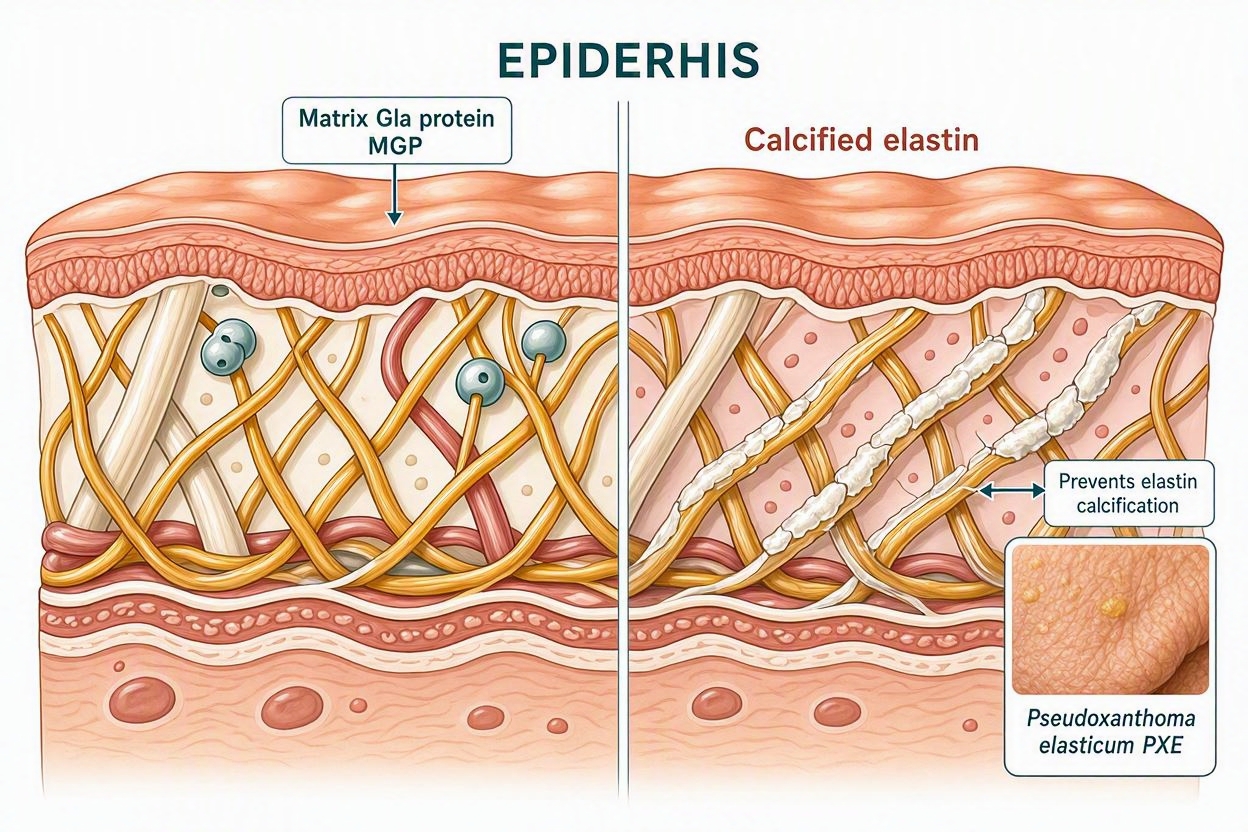
The skin’s dermal matrix contains vitamin K-dependent proteins involved in mineralization regulation and elasticity. Matrix Gla protein prevents elastin calcification — a process that stiffens skin and contributes to wrinkling with age. In pseudoxanthoma elasticum (a rare genetic disorder of MGP/ABCC6), skin becomes prematurely lax and calcified, underscoring MGP’s role in maintaining dermal elasticity.
Topical vitamin K formulations have been used for periorbital bruising, post-procedural ecchymosis, and spider angiomas, with modest evidence for accelerated resolution. Oral vitamin K’s contribution to skin health is less studied but biologically plausible through systemic MGP activation and anti-inflammatory pathways.
The skin-vitamin K connection reinforces the theme: wherever calcium misbehaves, vitamin K is the chaperone that restores order.
12. Longevity and All-Cause Mortality
The ultimate integration of vitamin K’s multifaceted benefits may be reflected in mortality data. The EPIC-NL cohort (33,000+ Dutch adults, median follow-up 12 years) found that higher K2 intake associated with significantly lower all-cause mortality — particularly from cardiovascular and cancer causes. Those in the highest tertile of K2 intake had 26% lower all-cause mortality compared to the lowest.
The PREDIMED trial (high cardiovascular risk Mediterranean population) showed similar: higher baseline K2 intake predicted lower cardiovascular, cancer, and all-cause mortality over 5 years. K1 (phylloquinone) showed weaker or null associations, highlighting the unique bioavailability and tissue distribution of long-chain menaquinones (MK-7, MK-8, MK-9).
These associations survive adjustment for diet quality, lifestyle, and comorbidities, suggesting vitamin K status captures something fundamental about physiological resilience — the capacity to mineralize bone, protect vessels, regulate inflammation, and maintain metabolic homeostasis simultaneously.
Optimizing Your Vitamin K Intake
The art of vitamin K nutrition lies in embracing both forms from whole foods:
Vitamin K1 (phylloquinone) — aim for 200–500 mcg/day:
- Kale, collards, spinach, Swiss chard (1 cup cooked = 500–1,100 mcg)
- Broccoli, Brussels sprouts, asparagus (1 cup = 100–220 mcg)
- Parsley, basil, cilantro — use generously as herbs
- Green leaf lettuce, romaine (1 cup = 60–100 mcg)
Vitamin K2 (menaquinones) — aim for 100–300 mcg/day:
- Natto (fermented soybeans) — the richest source (1,000+ mcg/100g, primarily MK-7)
- Aged cheeses (Gouda, Brie, Edam, Jarlsberg) — MK-8, MK-9
- Egg yolks (especially from pasture-raised hens) — MK-4
- Chicken, beef, pork liver — MK-4
- Butter, ghee, full-fat dairy from grass-fed animals — MK-4
- Fermented vegetables (sauerkraut, kimchi) — variable MK-7
Absorption enhancer: Both forms are fat-soluble. Always consume with dietary fat — olive oil on greens, butter on vegetables, whole eggs, full-fat dairy.
Special considerations:
- Antibiotic use disrupts gut K2 synthesis — consider temporary K2-rich foods or supplementation
- Warfarin therapy requires consistent vitamin K intake, not avoidance — work with your clinician
- Fat malabsorption (celiac, Crohn’s, post-bariatric) impairs K1 absorption — K2 may be better absorbed
- Statin use may impair K2 synthesis (shared pathway with cholesterol) — emerging evidence warrants attention
The Bottom Line
Vitamin K is not merely a clotting vitamin — it’s a master regulator of calcium metabolism, a guardian of vascular elasticity, a builder of bone resilience, a modulator of inflammation, and a quiet architect of longevity. The twelve benefits explored here converge on a single principle: vitamin K ensures calcium goes where it builds health (bones, teeth) and stays away from where it causes harm (arteries, kidneys, joints, soft tissues).
In a world of calcium supplements, vitamin D enthusiasm, and rising cardiovascular and osteoporotic disease, vitamin K is the missing link that makes the others work safely. It doesn’t demand megadoses or exotic supplements — just a plate that regularly includes dark greens, fermented foods, pastured animal fats, and the wisdom to pair them with healthy fats.
When you nourish your body with vitamin K in its full spectrum — K1 from the garden, K2 from the fermentation crock and the pasture — you’re not just preventing deficiency. You’re investing in the structural and metabolic intelligence that sustains vibrant health across decades.
Disclaimer: This article is for informational purposes only and does not constitute medical advice. Consult a qualified healthcare professional before making significant dietary changes or starting supplementation, especially if you are taking anticoagulant medications, have a medical condition, or are pregnant.